Where the sea and Celtic tradition become one.
Le Marais · The Place
Guérande, Brittany
In Brittany, one of the six Celtic nations of Europe, the Breton language is still spoken. Every August, the port town of Lorient fills with pipers, dancers and more than half a million visitors for the Festival Interceltique—one of the largest gatherings of Celtic culture in the world, held annually since 1971. Long before that festival existed, this coast was home to the Veneti, the Osismii and other seafaring tribes of Armorica—sailors and traders whom Julius Caesar considered formidable. Salt, drawn from the sea they had mastered, was central to both their trade and their way of life.

Les Paludiers · The Salt Workers
Some stayed.
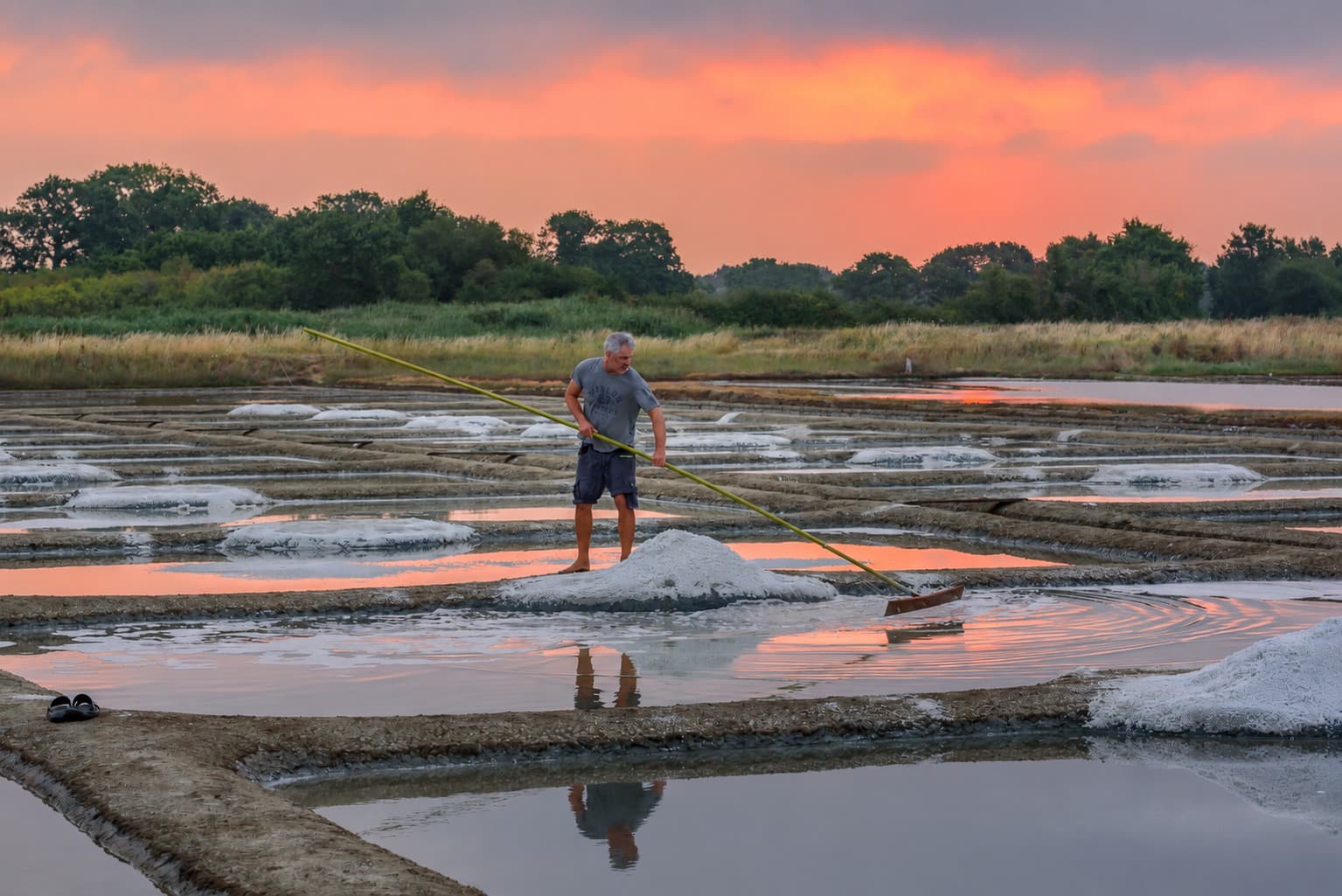
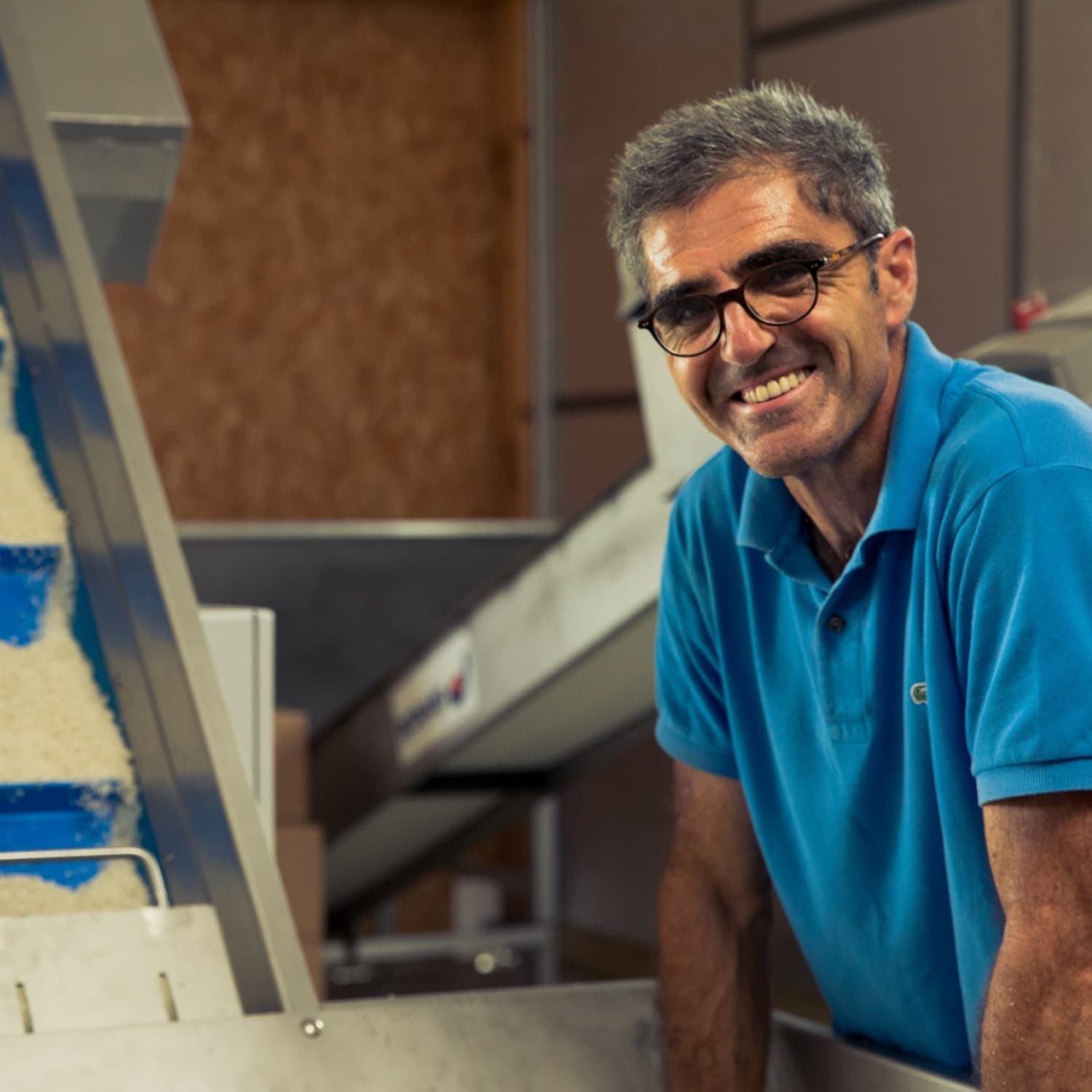
Then came the twentieth century, when many believed these marshes would disappear. As salt production became industrialised, paludiers left and ponds fell out of use. But some stayed, helping to preserve the craft and pass it on to a new generation. Today, the harvest continues much as it has for centuries.
They say the marsh chooses its paludier.
You learn to read the water as a sailor reads the sky: the direction of the wind, the warmth of the sun and the changing surface of the brine. The tools are simple. The knowledge is not. It is learned by walking the same narrow banks, season after season, until the marsh becomes a language.
La Saison · The Harvest Window
L’Œillet · The Process
Timing is everything.
The Atlantic gives us fresh seawater, but the weather decides when we can harvest its salt.
Too little sun slows crystallization. Sudden rain can interrupt the harvest, while strong winds disturb the delicate fleur de sel before we can gather it.
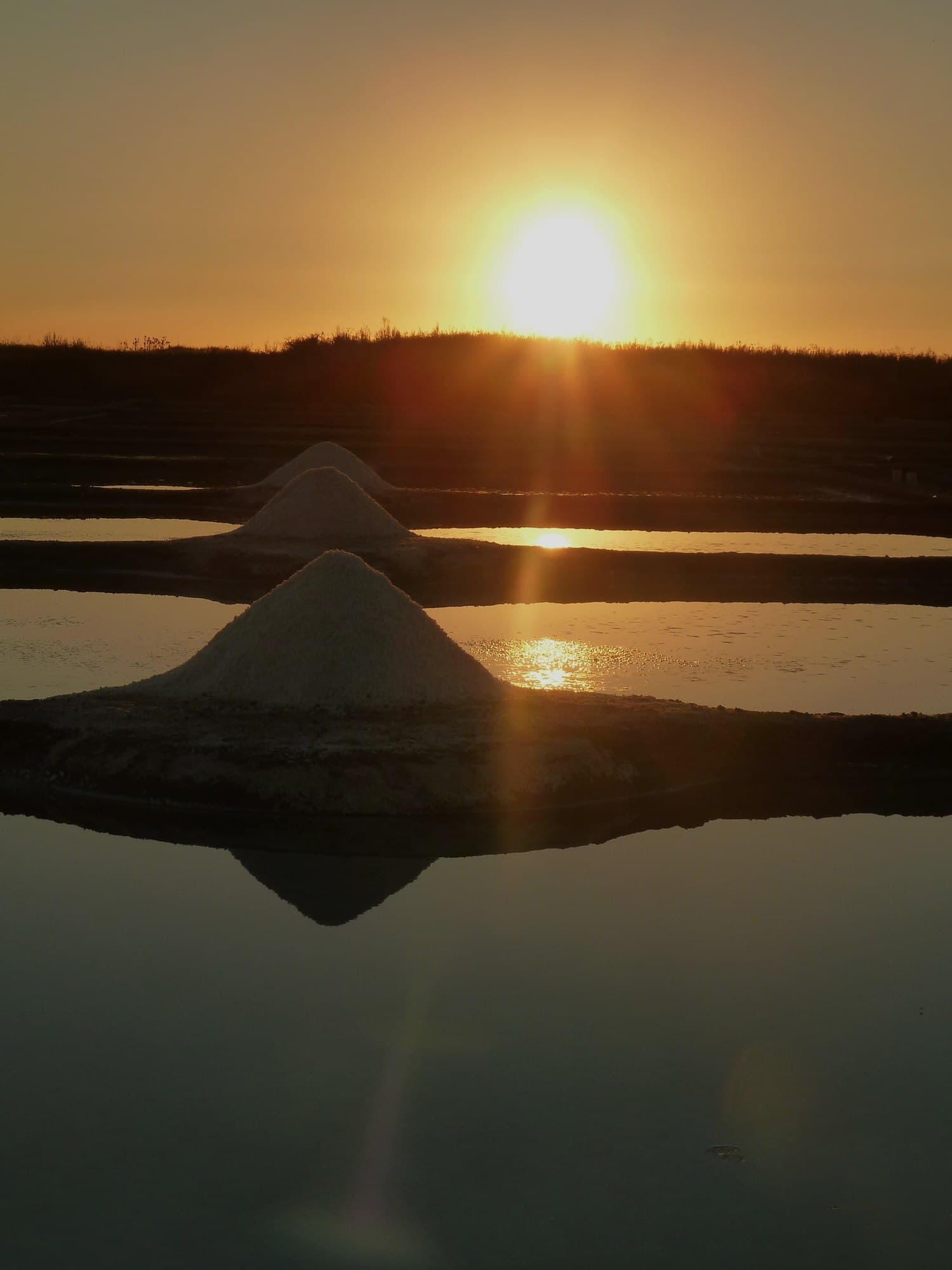
The essence of our sel gris and fleur de sel lies in the natural evaporation of seawater to increase salinity and extract salt. Embracing artisanal techniques, our sea salt carries a rich blend of oceanic elements, expertly harvested by hand. This gives the salt a soft, organic texture and keeps the crystals from becoming hard or brittle.
Atlantic air, mineral-rich clay, traces of seaweed, and ocean brine together give our salt its distinctive character.
Nos Valeurs
What our paludiers hold to, pond after pond, season after season.
PURETÉ
Nothing added, nothing removed. What you taste is exactly what the marsh made, down to the last grain.
TRADITION
Protected under the same Geographical Indication as Champagne or Parmigiano Reggiano — a method that can only happen here.
DURABILITÉ
Sun and wind are the only energy this salt has ever needed. No mechanization, no boiling — and a cork-and-cardboard tube that leaves no plastic behind.